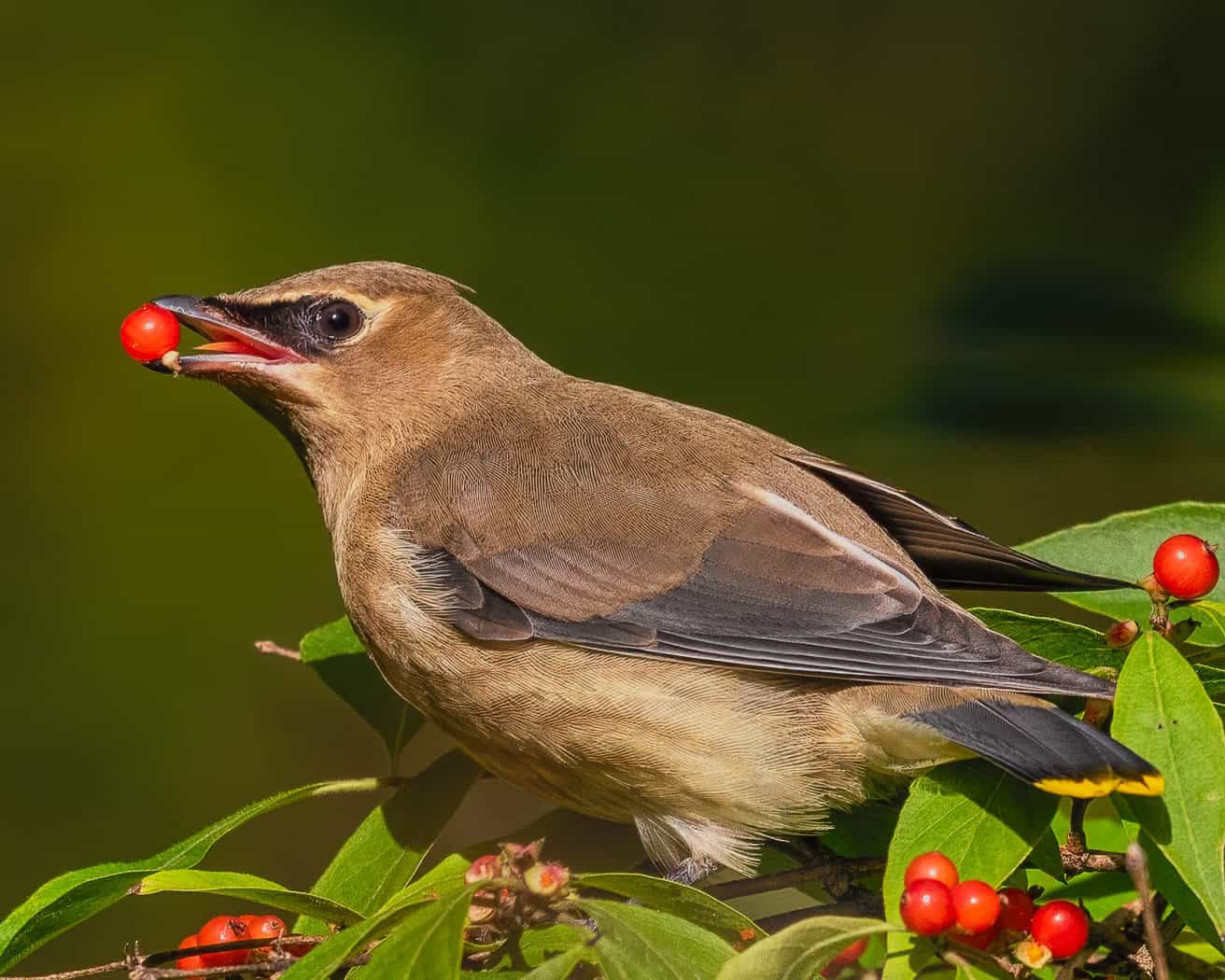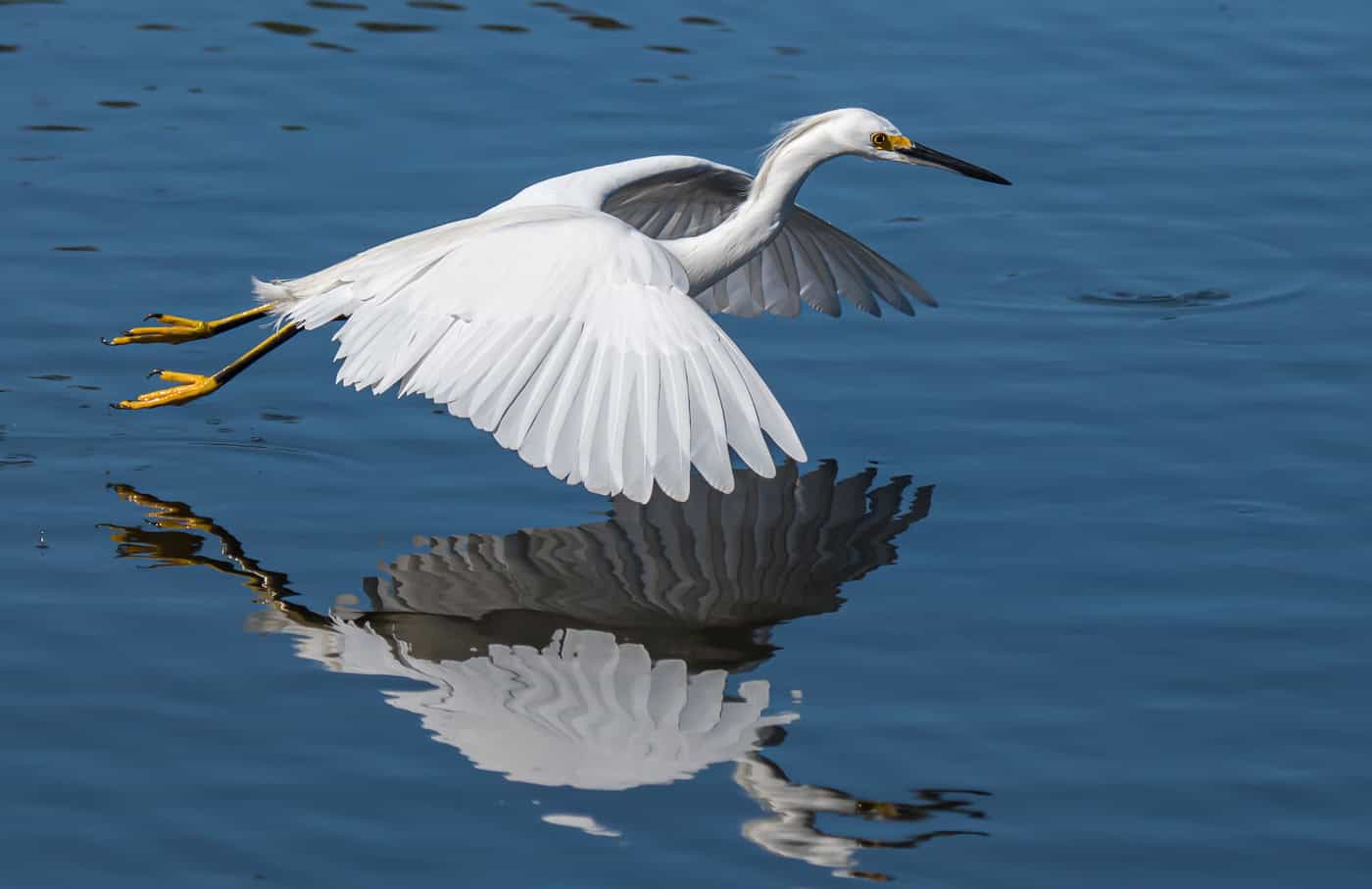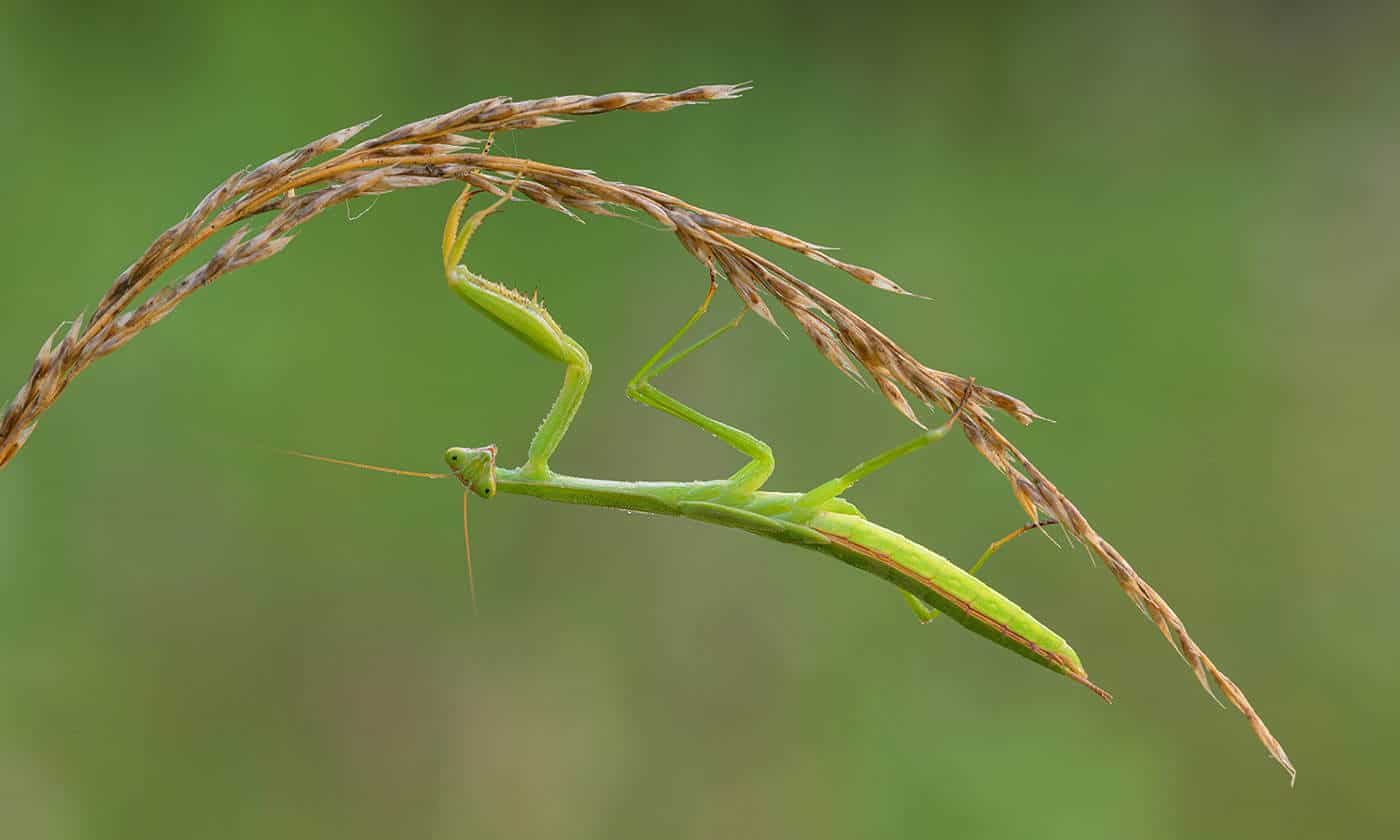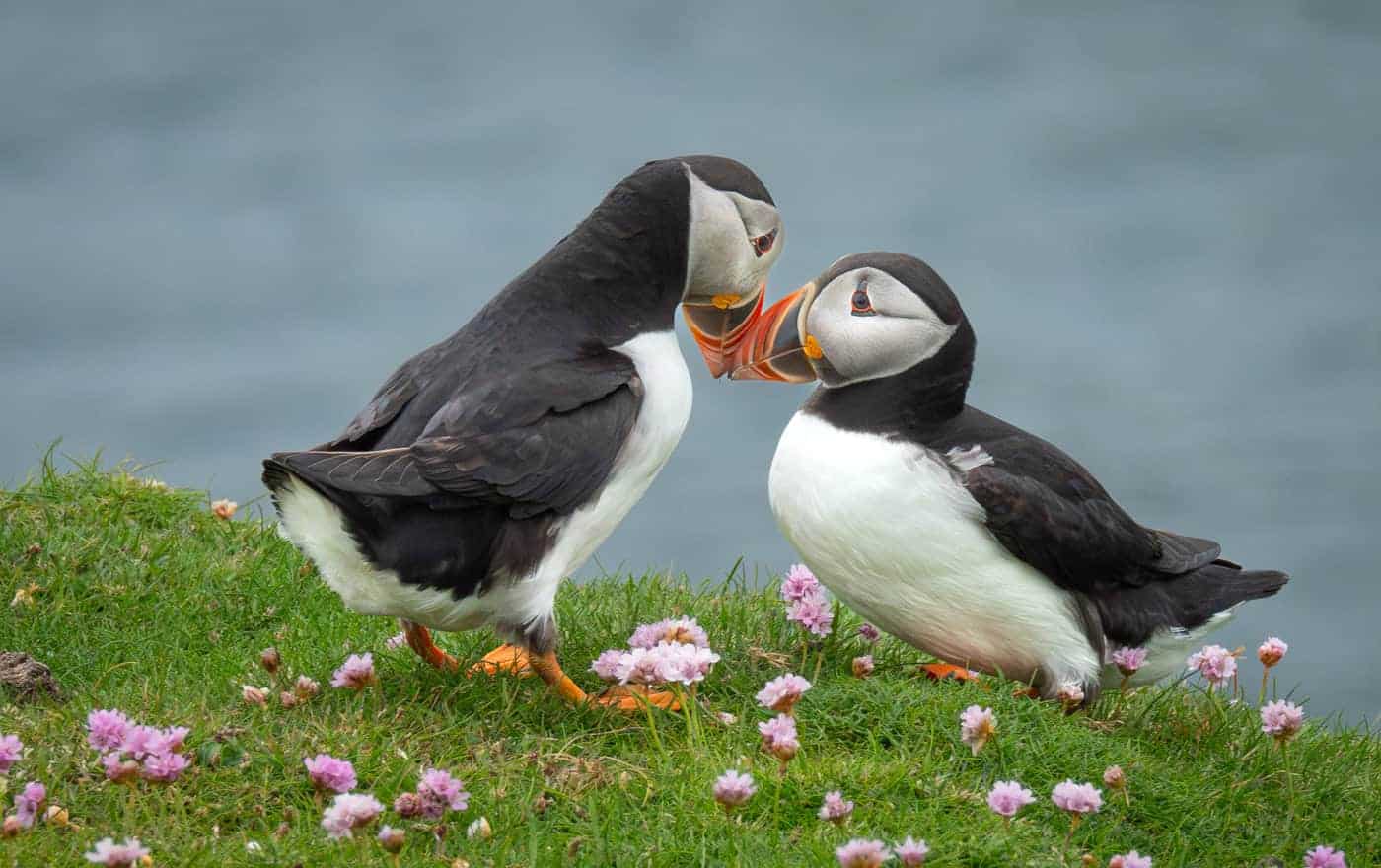
Scope of Competition
This competition comprises five (5) themes which are described in the Theme section below.
This competition narrative is based on the Fédération Internationale de l’Art Photographique (FIAP) Definition, and the editing criteria for Nature/Wildlife salons.
For camera clubs: a maximum of six (6) images can be entered into the Club category of this competition and all images must be from different photographers. The images must be entered into two (2) different themes, and all images must comply with the respective theme definition.
CAPA Medals will be awarded to entrants with the highest aggregate scores across their submitted images.
Keep Original Files
For this competition, it is of utmost importance that participants preserve the original un-retouched (unaltered, uncropped, or unedited) JPEG or camera RAW file of their submitted images. All editing must be carried out on a separate copy of the original image, maintaining the integrity of the original.
The original file(s) must be easily accessible before submitting an image into the competition, as the maker of potential winning images may be required to provide the unedited versions of said image(s). Failure to provide the requested original files may result in the removal of the image from the competition, and the contest results will be re-sorted.
CAPA assures that the provided original file will be used solely for the image verification process and will be deleted shortly after the evaluation is complete.
Prior to submitting an image in a CAPA competition, members should be familiar with the CAPA Eligibility Criteria.
Competition Inquiries
Questions about the scope of the competition and/or the editing criteria should be directed to Dan Sigouin (CAPA Director of Competitions) Competitions@CAPACanada.ca well in advance of the closing day of the competition.
Opening Date: August 13, 2026
Closing Date of Competition: October 15, 2026 at midnight Pacific Time.
Check out our – How To Upload Images To CAPA Competition here.
Three weeks after the competition’s closing date, the Final Competition Report can be accessed on the CAPA website under ‘Competition Reports’ and the ‘Competitions’ dropdown menu.
Click here to submit entries
- Botanical – ONLY wild plants photographed in their natural environment are permitted in this theme such as: flowers, scrubs, bushes, trees, fungi and algae. Human created hybrid plants or “cultivated plants” are not permitted.
Cultivated plants are ones that are planted and maintained by humans as opposed to emerging naturally in the environment. Wild flowers or plants grown in a botanical garden are accepted in this theme. In cases where a plant species is known to occur in the wild and has been cultivated by humans, the judging panel will give the image the “benefit-of-the-doubt” and accept the image as meeting the definition of this theme.
“Hand-of-man” elements must not appear in the image unless they are essential to the nature story. When present, these human elements must occupy no more that 10% of the image area. Exceeding the 10% limit is grounds for disqualification.
- Insects, Reptiles & Amphibians – such as: alligators, ants, bees, beetles, butterflies, crickets, crocodiles, dragonflies, frogs, gecko, hornets, iguana, lizard, mantis, mosquitoes, snakes, turtles, wasps, etc…
- “Hand-of-man” elements must not appear in the image unless they are essential to the nature story. When present, these human elements must occupy no more that 10% of the image area. Exceeding the 10% limit is grounds for disqualification.
- Landscape – subjects such as weather phenomena, geological formations, landscapes, seascapes and natural phenomena, planets, stars and astronomical events.
- “Hand-of-man” elements shall not be present.
- Nature – such as living animals (including arthropods, spiders and crustaceans), birds and marine subjects, which are living under the unobvious control and feeding of humans in situations such as zoos, game farms, animal reserves, and/or aquariums, etc.
No domestic or feral animals/birds are permitted in this theme. Domestic and feral animals include, but are not limited to camels, cats, chickens, dogs, donkeys, goats, horses, rabbits, pigs, rock doves, sheep, starlings, and water buffalo.
- “Hand-of-man” elements must not appear in the image unless they are essential to the nature story. When present, these human elements must occupy no more that 10% of the image area. Exceeding the 10% limit is grounds for disqualification.
- Wildlife –This theme is restricted to living and untamed wildlife mammals, birds and marine subjects ONLY. Wildlife subjects for this theme must be living free and cannot be living in traditional zoos, open-range zoos, game farms or other areas where they are under the care of man, restrained and/or confined.
For this theme, nature parks are considered natural environments because the animals are not in “controlled conditions“.
Wild animals and birds with scientific bands, tags or radio collars, are permitted in this theme, but those with tethers or harness attachments are not permitted.
No domestic or feral animals/birds are permitted in this theme. Domestic and feral animals include, but are not limited to camels, cats, chickens, dogs, donkeys, goats, horses, rabbits, pigs, rock doves, sheep, starlings, and water buffalo.
No “Hand-of-Man” elements is permitted in the Wildlife theme.
Wildlife images can also be entered into the Nature theme.
CAPA defined Hand-of-Man – An image which is free of the “hand of man” does not contain any of the following:
- Human – no human body or any portion thereof.
- Sky – no human-made elements such as cables, aircraft, light pollution, artificial lights, etc.;
- Land – no man-made structures, electrical or microwave towers, paths, buildings, concrete, man-made stone, telephone poles, fence posts, sidewalks, domesticated or cultivated plants/food, cut grass, or organized and systematic layouts of planted trees, farms and/or orchards.
- Elements – no cut trees, stems, branches, tree stumps, posts, man-made food or crops, objects, or any man-made background.
- Sea – no boats, ships, piers, docks, posts in the water, or any human-made elements.
Nature Ethics Defined
To promote responsible photographing of species, entrants:
- Must not do anything to injure or distress any animals or destroy their habitat in an attempt to secure an image.
- Must maintain an appropriate distance from an active nest, and in most cases, avoid them entirely.
- Must not bait. The baiting of wildlife should be avoided as it may have long-term impacts.
- Must not intentionally spook or frighten any form of wildlife.
- Must not cause stress to wildlife by getting too close.
- Should learn about the species’ behaviour and the ecology of the area.
- Use appropriate lenses and techniques that minimize stress.
- Should be a naturalist as well as a nature photographer
- Should be especially careful and respectful when photographing “species-at-risk” and threatened species consider avoiding the photography of “species-at-risk“.
The Canadian federal Species At Risk Act – Schedule 1 provides a listing of “species-at-risk”.
The Act also outlines that it is an offence to kill, harm or harass a “species-at-risk”. Reference material: Audubon’s Guide to Ethical Bird Photography.
Editing Techniques Permitted:
Cropping: adjusting the composition of the image by cropping-this includes straightening and perspective correction.
HDR (High Dynamic Range): combining multiple exposures to extend the dynamic range and enhancement to the presentation;
Focus Stacking: merging images with different focus points to increase the depth of field;
Dodging/Burning: lightening or darkening specific areas of the images to enhance the presentation;
Removal of Camera Artifacts: techniques to remove dust spots, digital noise, and film scratches caused by the camera.
Lightroom and Photoshop presets (including adaptive presets) are permitted as they adjust existing pixels rather than generating content.
See CAPA Eligibility Criteria for details.
Editing Techniques Not Permitted:
Images without Photographic Origin: Images that are entirely generated electronically with no photographic origin are not permitted.
Manipulating Content: Adding, moving, or removing elements within an image (such as objects or background features) is strictly prohibited, as it alters the factual reality the photograph is meant to represent.
Misrepresentative Filters: Applying filters or effects that dramatically change the image’s mood or perception is not allowed. Such alternations can mislead viewers, affecting their understanding of the original scene at the time of capture.
Frames, Borders, Pin-lines, and Mats: Photograph must not contain any decorative elements like frames, borders, pin-lines, or mats. This includes the edges and markings of scanned film.
Updated Submission Authentication Requirements – June 8, 2026
To help photographers understand which AI features are acceptable for our competition submissions, we’ve developed a “List of Approved AI Tools” webpage.
For practical guidance on organizing your files from the start, see our Protecting Your Competition Images (Provenance Guide) webpage.
Original Files and Metadata Protection
For all CAPA competition photographers MUST:
- Retain the original captured image(s)
- Perform all editing on copies;
- Keep originals accessible for quick retrieval, if verification is needed
Verification Requirements for Awards
For potential winning entries, the Director of Competitions MAY request:
- Editing Narrative: a description of how the image was edited and what editing programs were used. Upon receipt of these details, the photographer will be provided step-by-step instructions on how to export the image to include the required metadata.
- Original Files: Un-retouched JPEG or RAW files;
- For in-camera merged images, the camera-generated merged file (HDR, focus-stacked, multiple exposure, or panorama) is the original file. Individual source frames are not required.
- For Camera Club entries: The photographer’s original image as submitted to the club, before any club modifications such as resizing, copyright additions, or other editing.
- The following administrative modifications by the club are permitted, provided that the image’s camera and editing details remain unaltered:
- Resizing to meet CAPA pixel dimension and file size specifications;
- Adding a copyright to the metadata or club identifier, when exporting from Lightroom to JPEG at the required quality setting;
- Renaming files to comply with CAPA entry naming conventions.
Retention of the photographer’s original submission is the responsibility of the individual photographer, not the club.
Working Files (choose based on your workflow):
- Photoshop: Layered PSD file with all editing layers intact. Users who require the flattening of their image file for functionality integrity and/or storage reasons must retain a PSD file or a set of PSD files prior to each flattening so that all editing history is retained.
- Lightroom:
- Preferred: Original RAW file + XMP sidecar file, OR DNG file with embedded edits
- Acceptable: Layered TIFF if you didn’t use RAW/XMP/DNG workflow
- Other Applications: Original RAW file + any proprietary sidecar/settings files that preserve editing history
These files provide a complete audit trail demonstrating compliance with competition specifications.
Failure to provide requested image files within the specified timeframe will result in entry withdrawal and recalculation of competition results
Accepted Image Types:
Colour images
Black & White images
Colour images converted to black & white
Triptychs are not permitted in this competition.
Title of Image
When images are uploaded into a competition, you are required to enter the title of your image into the Title Field which is now limited to 32 characters. Title can be in either English or French.
Do Not: enter your name, the name of the photographer or the club name in the Title Field (that is for the Title of the image)
Do Not: include punctuation or symbols (such as / –_ , ; : ‘’ “” ! ? & $%*{} [ ] @ # &) or quotation marks in the Title of your image.
The Image Title should be simple, and introduce or set the mood or perspective for your image. For example: Sublime Nova Scotia Sunset
A weak image title, such as ‘pretty flower,’ will fail to stimulate the judge’s interest in the image and may result in a lower score than expected.
Image File Name
The image file name that you create prior to uploading into this competition should also be simple, and could be the same as the Image Title. For example: John Snow-Sublime Nova Scotia Sunset
Image Size – Dimensions
You must ensure your image is re-sized to meet the following two parameters:
- Saved as a jpg image with a maximum file size of 1.8 MB.
- Dimensions: Maximum horizontal size: 1400 pixels and maximum vertical size: 1050 pixels.
Example of Image Sizing – Double-click to view imageNote: Images smaller than the maximum dimensions will ONLY be accepted when one of the image edges has a horizontal size is 1400 pixels or the vertical size is 1050 pixels. For example: square image – 1050 x 1050 pixels; 1400 x 800 pixels; or 700 x 1050 pixels.
Note: Images will NOT be rotated by the judges and will scored as submitted.
During the uploading process of your image, our online competition system will verify if the image is less than 1.8 MB and meets the two parameters.
If your image fails this verification process, you will receive an error message and it will appear below the upload image box.
Depending on the error message – you will need to either reduce the file size of the image to be 1.8 MB or less or re-size the dimensions of your image. After doing so, please re-try uploading your image.
Suggestions – Use sRGB colour space for your image. For colour accuracy: we strongly recommend that you calibrate your monitor to ensure colour accuracy from your monitor to the image projected to the judges.
- Judges will assign scores primarily based on the Creative Intent of the image maker. Creative Intent refers to the characteristics of originality, expressiveness and imagination in communicating a story or eliciting an emotional response that gives the image a strong and lasting impact.
Judges will also take into consideration in their scoring the degree to which the Organizational and Technical Components contribute to or support the Creative Intent.
*Organizational Component refers to composition/design, use of space, balancing of elements, use of lighting, and presentation of the image.
*Technical Component refers to the exposure triangle (aperture, ISO, shutter speed), sharpness, in-camera and post-processing techniques such as intentional camera movement, use of colour, monochrome, duo and multi-tone, HDR, focus stacking, or any other technique permitted by the competition rules.
- An Image’s title may be used by the judges in evaluating a submission, so entrants should take care in selecting a title that complements or contributes to the vision or message being presented in the image.
- It must be emphasized that the 10% adaptive environment reference is only a guideline and rather than disqualifying an image, the score can be adjusted down. Only when the hand-of-man element becomes the subject (rather than supporting the subject), should disqualification be a consideration.